- The model number on the certificate must match the machine on your quotation — otherwise the certificate is not yours.
- FDA registration is not FDA clearance. Only 510(k) clearance supports an “FDA cleared” claim.
- ISO 13485 certifies the factory's quality system, not the product. Ask for 13485, not just 9001.
- Verify the notified body number on the EU NANDO database before you pay — it takes two minutes.
Every supplier in this industry claims CE, FDA or ISO certification. Some genuinely hold it. Some hold something adjacent to it. And some print a logo. When a shipment is stopped at customs, the difference is yours to pay for — so it pays to know how to check.
CE: certificate, not a sticker
For aesthetic lasers, "CE" should mean conformity with the Medical Device Directive (93/42/EEC) or the newer MDR, plus:
- LVD — Low Voltage Directive (electrical safety)
- EMC — Electromagnetic Compatibility
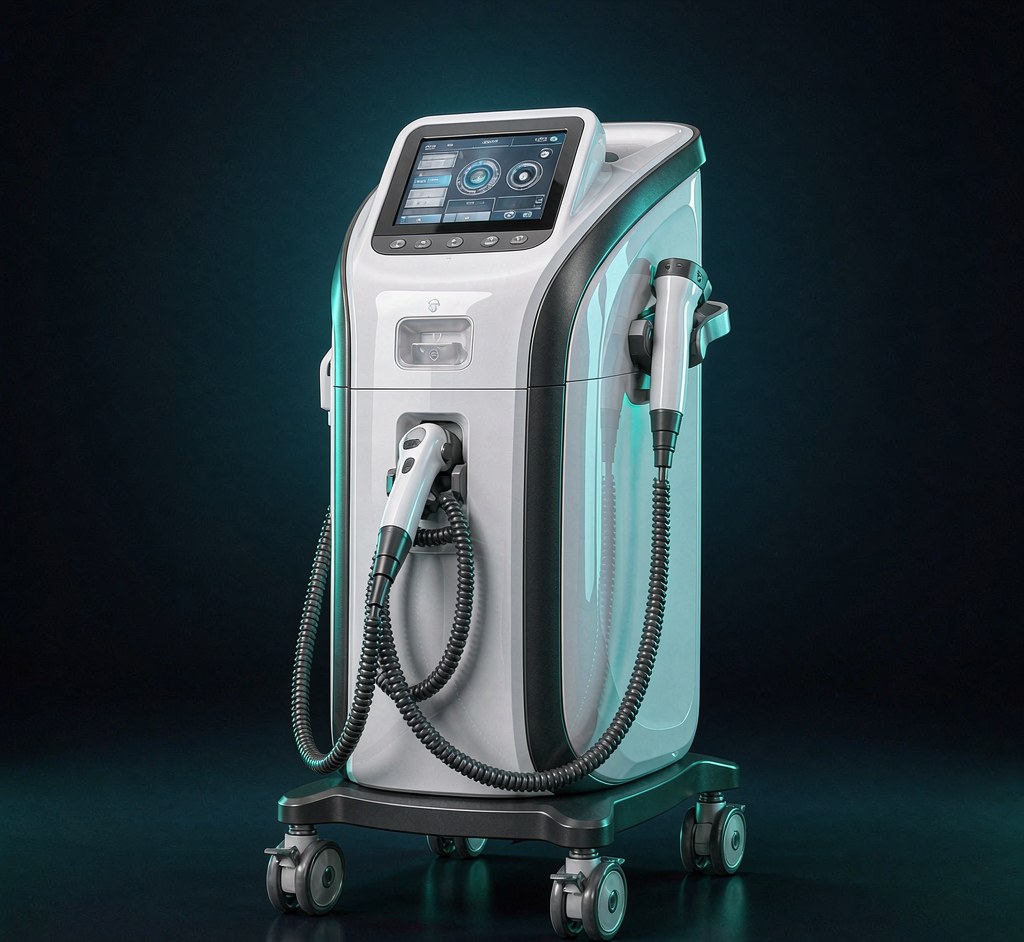
A genuine CE certificate names the notified body, lists the exact product model, and carries an expiry date. Ask for the certificate and the test reports. If the model number on the certificate does not match the machine being quoted, the certificate is not yours.
Be aware that some suppliers hold CE on a representative model and apply the mark across a whole range. That is a real practice but you should know which model the certificate actually covers.
FDA: registration vs approval
This is the most misunderstood point in the industry:
- FDA registration — the manufacturer has registered their facility and listed the device with the FDA. This is common and relatively easy.
- FDA 510(k) clearance — the device has been reviewed and cleared for a specific intended use. This is a much higher bar and rarer for aesthetic lasers.
Any supplier who says their machine is "FDA approved" when they mean "FDA registered" is either confused or lying. Both ask: which one, and for which model? For most markets outside the US, CE plus ISO 13485 is the practical compliance package.
ISO 13485: the factory standard
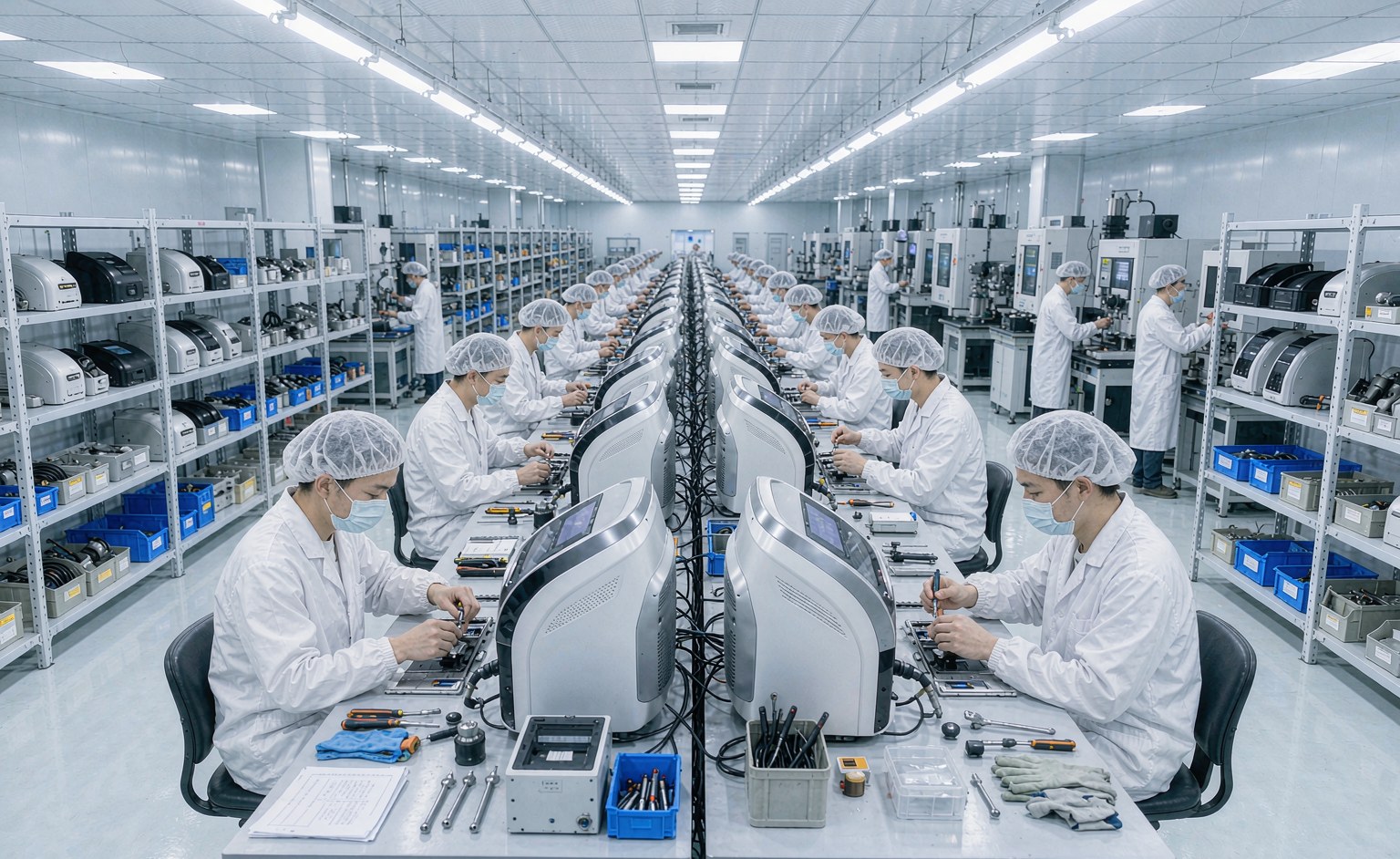
ISO 13485 is the quality management standard for medical device manufacturing. It does not certify a product — it certifies that the factory designs, produces and tests devices in a controlled, documented way. A supplier with real ISO 13485 is far less likely to ship you a machine that fails in month three.
ISO 9001 is the general quality standard — good to have, but weaker. Ask for 13485 specifically.
How to verify a certificate in five minutes
- Check the model number on the certificate matches your quotation.
- Check the expiry date — CE certificates are typically valid 3–5 years.
- Look up the notified body number on the EU NANDO database to confirm it is real.
- Ask for the test reports (LVD, EMC), not just the certificate.
- Ask for a video call at the factory and see the certificates on the wall, in the plant, with today's date visible.
Shipping and customs documentation
Beyond certificates, your shipment needs: commercial invoice, packing list, bill of lading or airway bill, certificate of origin, and — for many countries — a free sale certificate or authorisation to distribute. An experienced exporter prepares all of this by default. Ask early what documents your specific destination requires; requirements differ between the EU, US, Middle East, South America and Africa.
What we provide as standard
SUMSTARS manufactures under ISO 9001 and ISO 13485 quality systems, holds CE (93/42/EEC with LVD and EMC reports) on our aesthetic laser range, and supports FDA-registered models for the US market. Every quotation includes copies of relevant certificates, and our logistics team prepares destination-specific documentation for every shipment.
If you have received a quote from another supplier and want a sanity check on their paperwork, send it over — we will review it honestly, even if you end up buying from them.